
Metrology is the scientific study and practice of measurement, encompassing all aspects of the measurement process. It involves the development and maintenance of measurement standards, which serve as reference points to ensure uniformity and accuracy in measurements. The ultimate goal of metrology is to achieve both precision and accuracy in measurements, with precision referring to the repeatability and consistency of measurements and accuracy being the closeness of measurements to the true values. Calibration, a core process in metrology, involves comparing measuring instruments to known reference standards to determine their accuracy and correct any deviations, ensuring reliable and traceable measurements.
Introduction to Measurement
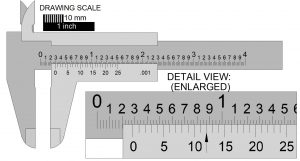
Measurement is the process of determining the magnitude of a physical quantity by comparing it to an accepted standard. Whether measuring the length of a steel bar, the mass of a component, the temperature of a furnace, or the voltage in an electrical circuit, measurement allows physical properties to be expressed using numbers and units....
Measurement Practice Sheets

Measurement Practice SheetsRuler Practice Sheets (8 and 16 divisions) Tape Measure Practice Sheets (16 and 32 Divisions) Ruler Practice Sheets (Inch with 32 and 64 divisions) Machinists Rule Practice Sheets – inch (10 & 100 divisions) Dial Caliper Practice Sheets (inch and mm) Vernier Caliper Practice Sheets (inch and mm) Micrometer Practice Sheets (inch &
Measuring Devices

Measuring devices, also known as measuring instruments or metrological instruments, are tools designed to quantify and express physical quantities accurately. These devices are used in various fields, including science, engineering, manufacturing, research, and everyday life, to obtain precise measurements of quantities such as length, temperature, pressure, weight, time, and more. Measuring devices play a crucial...
Calibration and Traceability
Calibration and traceability are essential concepts in fields like measurement, testing, and quality assurance. Calibration involves comparing the measurements from an instrument to a known reference standard, with the aim of assessing and, if necessary, adjusting the instrument's performance to ensure accuracy. This process ensures that instruments provide reliable measurements. It is documented through calibration...
Systems of Measurement
A system of measurement is a collection of units used to quantify physical properties such as length, mass, time, temperature, and force. Measurement systems provide a common language that allows quantities to be communicated, compared, and reproduced consistently. Throughout history, many systems of measurement have been developed. Early systems were often based on human dimensions,...
Introduction to Measurement
Measurement is the process of determining the magnitude of a physical quantity by comparing it to an...
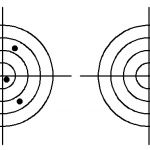
Accuracy Vs. Precision
Accuracy and precision are two of the most important concepts in measurement. Although the terms are...
Significant Figures
Significant figures are the digits in a measurement that convey meaningful information about its precision....
Measurement Error
No measurement is perfectly exact. Every measurement differs from the true value of the quantity being...
The International Vocabulary of Metrology
The International Vocabulary of Metrology (VIM) is a reference document that establishes internationally...


Ruler Practice Sheets (8 and 16 divisions)
These practice sheets are Google Slides. They can be downloaded as a pdf or powerpoint presentation.

Tape Measure Practice Sheets (16 and 32 Divisions)
These practice sheets are Google Slides. They can be downloaded as a pdf or powerpoint presentation.

Ruler Practice Sheets (Inch with 32 and 64 divisions)
These practice sheets are Google Slides. They can be downloaded as a pdf or powerpoint presentation.

Machinists Rule Practice Sheets - inch (10 & 100 divisions)
These practice sheets are Google Slides. They can be downloaded as a pdf or powerpoint presentation....