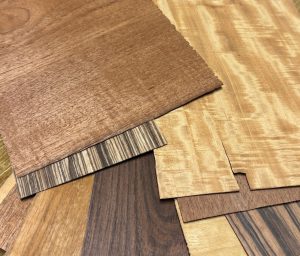
Natural polymers are macromolecular substances produced by living organisms and composed of repeating molecular units joined through biologically mediated reactions. Like synthetic polymers, they consist of long-chain molecules whose properties depend on molecular weight, chain structure, and intermolecular interactions. However, their formation typically occurs under ambient temperatures and pressures through enzyme-controlled processes, and their composition...
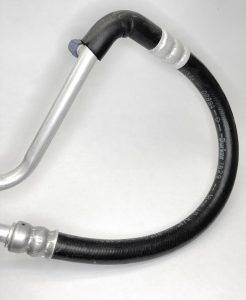
Elastomers are a class of materials that are defined by their ability to deform under stress and return to their original shape when the stress is removed. They are typically polymers with high molecular weight and high molecular flexibility, which enables them to exhibit rubber-like behavior. Elastomers have a wide range of physical and mechanical...

Thermoplastics are a class of polymers that soften when heated and harden upon cooling, without undergoing significant chemical change. This behavior is primarily associated with linear or lightly branched molecular structures in which polymer chains are held together by secondary intermolecular forces rather than extensive covalent crosslinking. When heat is applied, these intermolecular forces are...
Natural polymers are macromolecular substances produced by living organisms and composed of repeating...
Elastomers are a class of materials that are defined by their ability to deform under stress and return...
Silicone rubber is a highly versatile and widely used engineering material in the field of elastomers....
Thermoplastics are a class of polymers that soften when heated and harden upon cooling, without undergoing...
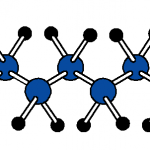
Polyethylene (PE) is a thermoplastic polymer composed of repeating ethylene (C₂H₄) units and is one...
Polyethylene terephthalate (PET) is a thermoplastic polyester formed by the condensation polymerization...
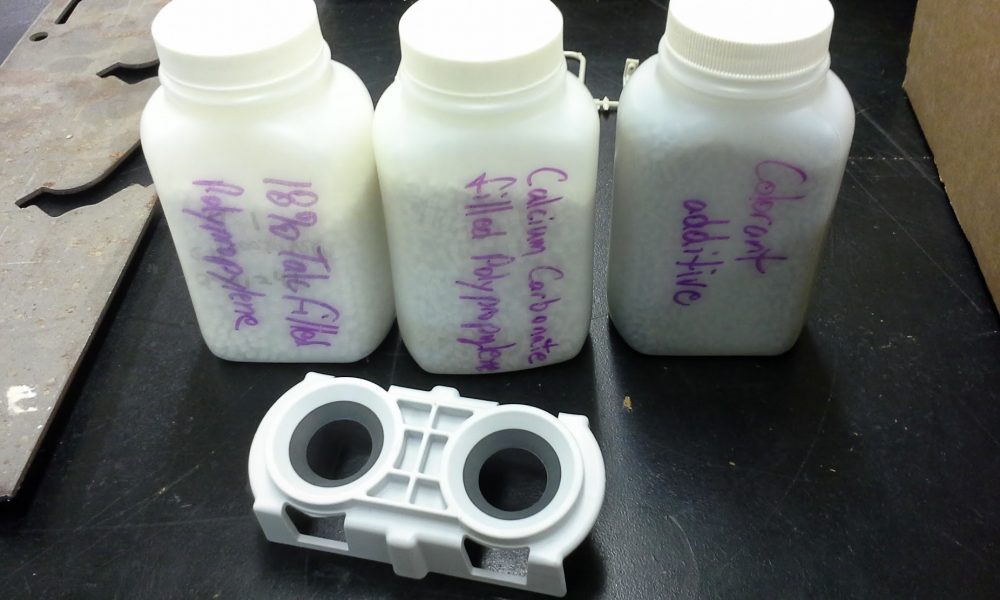
Polypropylene (PP) is a thermoplastic polymer derived from propylene monomers and characterized by a...
Polystyrene (PS) is a thermoplastic polymer formed from styrene monomers, which contain an aromatic...
Polyvinyl chloride (PVC) is a thermoplastic polymer produced from vinyl chloride monomers and characterized...
Polyamide (PA), commonly known as nylon, is a family of thermoplastic polymers characterized by repeating...