
Scale Formation & Prevention

Scale is the result of a series of chemical reactions that occur when a metal workpiece is exposed to elevated temperatures in the presence of oxygen. It forms as a thin layer of oxidized metal on the surface of the treated workpiece. This layer is commonly referred to as scale, and it is often brittle and non-adherent.
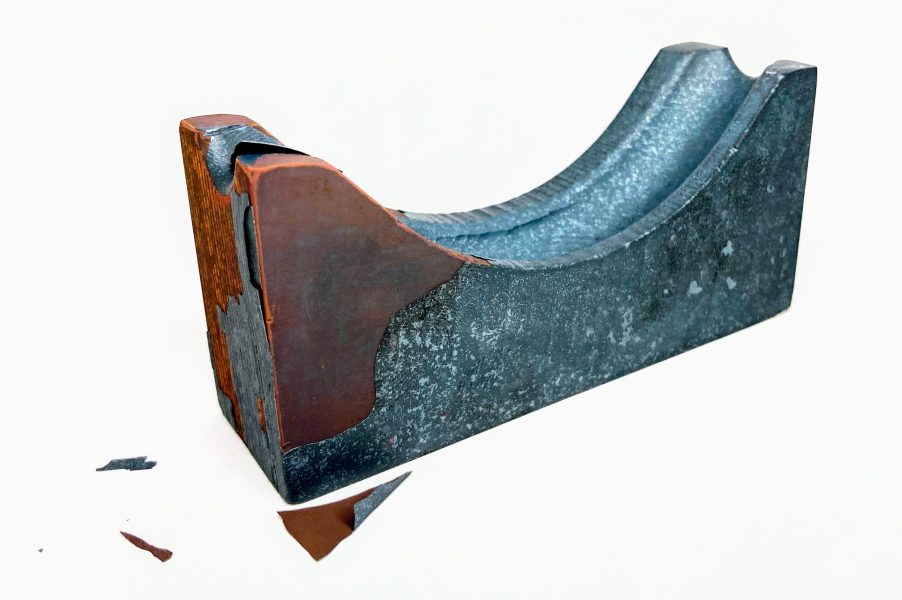
Scale on the surface of a piece of S7 tool steel that has been heat treated.

The process of scale formation during heat treatment begins with the oxidation reaction. When a metal workpiece is subjected to heat in an oxygen-rich environment, the high temperatures promote an oxidation reaction. This reaction involves the metal’s outermost layer reacting with oxygen from the surrounding atmosphere, leading to the creation of metal oxides.

The metal oxides produced as a result of the oxidation reaction are what constitute the scale layer. The composition of the scale depends on the specific alloy being treated, as it is a product of the reaction between the alloy and oxygen. The scale layer typically appears as a thin and sometimes flaky coating on the surface of the workpiece.

In certain heat treatment processes, particularly those where preserving the surface integrity of the workpiece is crucial, protective atmospheres may be used. These atmospheres, which can include gases like nitrogen or hydrogen, are employed to minimize the contact between the metal and oxygen, thus reducing the extent of scale formation. The presence of scale is a significant consideration in heat treatment, as it can impact the final material properties, and it is often addressed through subsequent mechanical or chemical removal processes to achieve the desired surface quality and finish, particularly in industries like aerospace and automotive manufacturing.
Anti-Scale Compounds

Anti-scale compounds are protective coatings used during the heat treatment of steel to reduce oxidation and decarburization at elevated temperatures. When steel is heated in air, oxygen reacts with the surface to form iron oxide scale. At the same time, carbon near the surface may be depleted, producing a softened “decarburized” layer that can negatively...

Stainless Steel Heat-Treating Foil

Stainless Steel Heat-Treating Foil
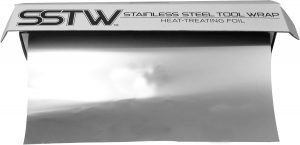
Stainless steel heat-treating foil and foil bags are used to protect steel parts from oxidation and decarburization during furnace heating. The bags are typically made from thin heat-resistant stainless foil and are sealed around the workpiece before being placed into the furnace. By limiting the amount of oxygen that can reach the hot metal surface,...

Controlled-Atmosphere Furnaces

Controlled-atmosphere furnaces are heat-treatment furnaces designed to regulate the environment surrounding a heated workpiece. Unlike conventional air furnaces, these systems reduce exposure to oxygen and other reactive gases in order to limit oxidation, scaling, decarburization, and other unwanted surface reactions during heating. Controlled atmospheres are commonly used in the heat treatment of tool steels, alloy...

Anti-Scale Compounds

Anti-scale compounds are protective coatings used during the heat treatment of steel to reduce oxidation...
Stainless Steel Heat-Treating Foil

Stainless Steel Heat-Treating Foil

Stainless steel heat-treating foil and foil bags are used to protect steel parts from oxidation and...

Controlled-Atmosphere Furnaces

Controlled-atmosphere furnaces are heat-treatment furnaces designed to regulate the environment surrounding...